DIY and professional cleaning compared
Swipe to see all columns.
Choose the option that removes the real barrier
DIY is enough
The machine works, buildup is manageable, and you can follow the exact manual, keep electronics dry, provide a backup box, allow complete drying, and reassemble confidently.
Professional cleaning helps
Odor returns, residue fills approved seams or waste areas, an infestation is unpleasant to handle, or washing space, lifting, mobility, or time keeps delaying the job.
Start with our step-by-step overview, then open the manufacturer's page for your model. Apartment owners can use the no-hose setup.
What a deeper reset can uncover
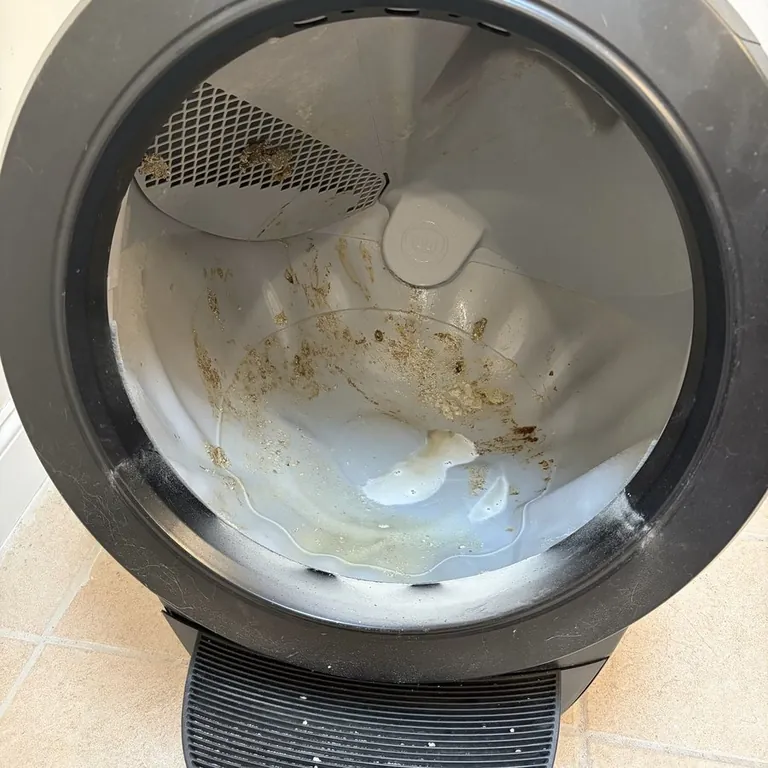
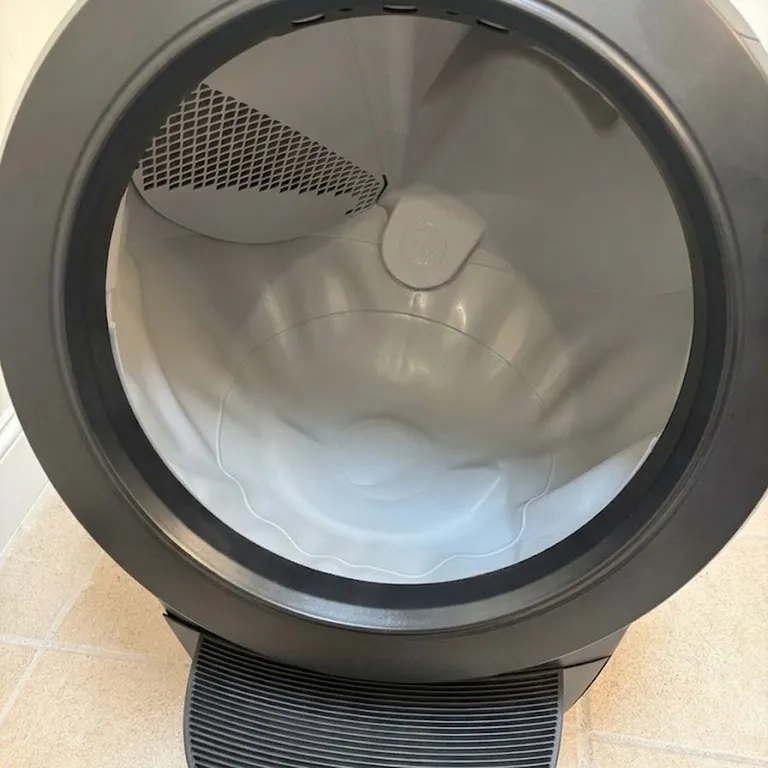
What the $149 visit includes—and excludes
One-time first
The current first-box Deep Clean is $149. No subscription is required. Optional future care is discussed only after the first visit.
Price confirmed first
Model, machine count, ZIP-based travel fee, and optional specialty work are confirmed before booking. Additional machines and treatments are separate.
Cleaning boundary
The visit covers the agreed cleaning, reassembly, and function test. Replacement parts, electrical diagnosis, and warranty repair are not implied by the cleaning price.
When cleaning is not the right first call
Swipe to see all columns.
Sources and model notes4 references
- Whisker: Litter-Robot 3 deep-cleaning guide (opens in a new tab) — official DIY scope and powered-part limitations
- Whisker: Litter-Robot 4 deep-cleaning guide (opens in a new tab) — official disassembly, washing, drying, and reassembly steps
- Whisker: Litter-Robot 5 deep-cleaning guide (opens in a new tab) — current LR5 washing, dry-base, reassembly, scale-zeroing, and test-cycle steps
- LitterReserve: professional automatic litter-box cleaning (opens in a new tab) — current service scope, area, and booking path
LitterReserve is an independent cleaning service and is not affiliated with or endorsed by Whisker. Litter-Robot is a trademark of Whisker.